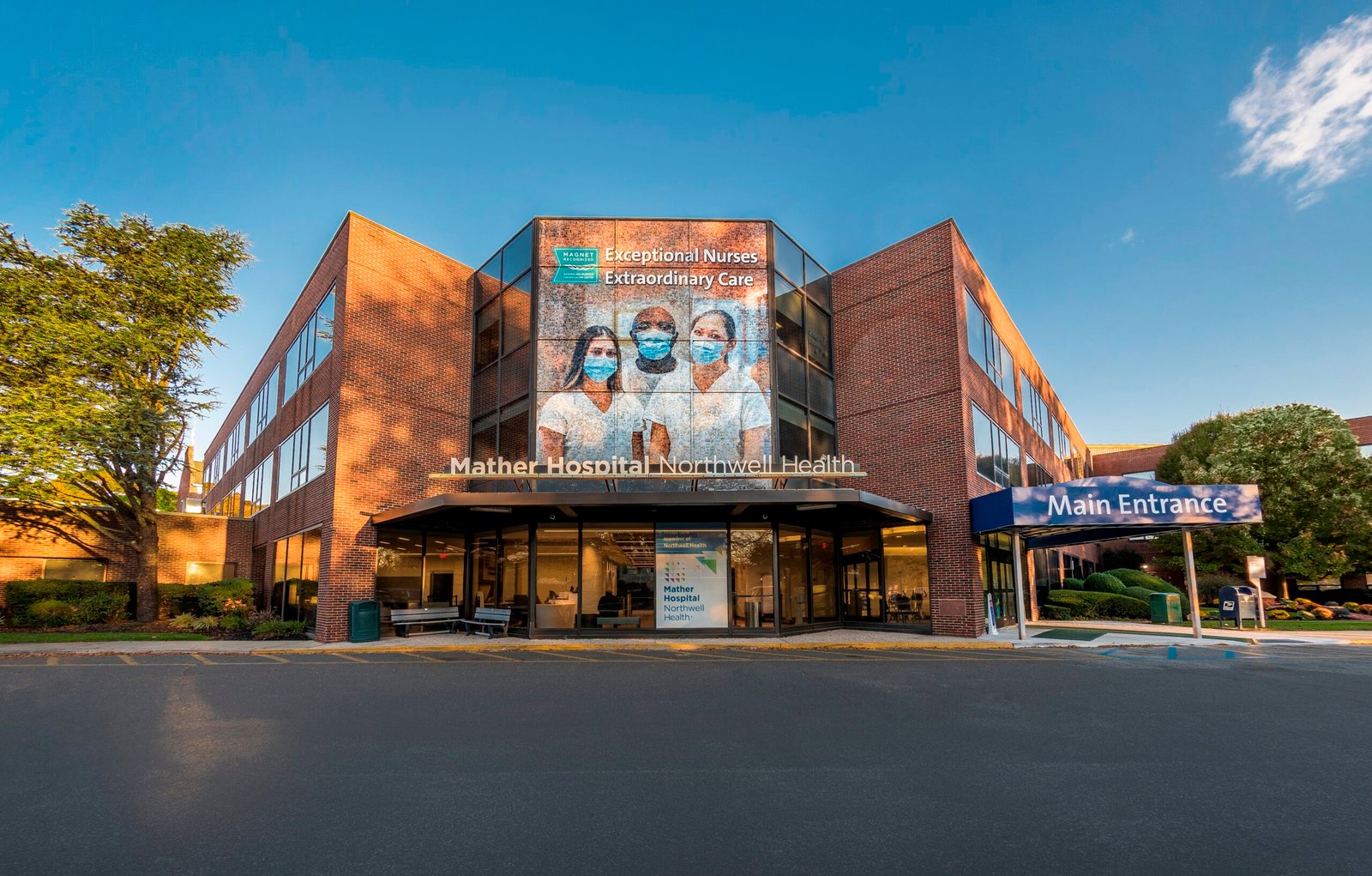
When facing serious illness or critical surgical needs, choosing the right hospital can make all the difference. This article highlights 15 leading hospitals globally known for exceptional success rates in surgery and critical care, along with what makes them stand out. If you’re researching hospitals for top surgical outcomes, this guide will help you compare based on data, specialties, and patient care quality.

What Makes a Hospital Top‑Tier in Surgery & Critical Care?
Before we list the hospitals, here are key metrics to evaluate success in surgery & critical care:
- Mortality rates in post‑surgery and ICU settings.
- Complication rates, such as surgical site infections, unplanned intubation, renal failure, etc.
- Readmission rates to surgical ICU (SICU) or critical care.
- Volume of high risk / complex surgeries—hospitals doing more tend to have better outcomes.
- Risk‑adjusted outcomes (so sicker patients are fairly compared).
- Patient safety / quality improvement programs (e.g., NSQIP, ACS recognitions).
Top Hospitals & What Sets Them Apart
Here are hospitals that consistently perform among the best in both surgery and critical care.
| # | Hospital | Key Strengths & What Makes Its Success Rate High |
|---|---|---|
| 1. Singapore General Hospital (SGH), Singapore | Recognised by the American College of Surgeons’ NSQIP in the high risk category, after evaluation of high‑risk surgical outcomes over multiple years. (Singapore General Hospital) Very high volume of surgeries annually, enabling strong surgical teams and continual improvement. (Singapore General Hospital) Department of Hepato‑Pancreato‑Biliary (HPB) & Transplant Surgery performs hundreds of major liver and pancreatic surgeries per year, and its minimally‑invasive surgery (MIS) mortality for major HPB procedures is under 0.5%. (Singapore General Hospital) | |
| 2. Mayo Clinic Hospitals – Rochester & Jacksonville, USA | Frequently recognised for “meritorious outcomes” by ACS NSQIP, tracking both inpatient & outpatient surgical outcomes. (Mayo Clinic News Network) High expertise in specialties such as heart surgery, neurosurgery, GI surgery, etc. Its surgical departments are ranked top in U.S. News & World Report. (Mayo Clinic) | |
| 3. Johns Hopkins Medicine, USA | High surgical volume is linked with better outcomes. Hopkins publishes its surgical volumes, recognizing that hospitals that do more of specific procedures tend to have better success. (Hopkins Medicine) Strong critical care units, research, and safety programs contribute. | |
| 4. Cleveland Clinic, USA | Known for excellence especially in cardiac surgery and related critical care. Even when rankings shift, it remains among the top institutions in surgery outcomes. (Axios) | |
| 5. Houston Methodist Hospital, USA | Frequently ranked best in Texas, with strong specialty outcomes (heart, vascular, orthopedics) and recognized for patient safety and critical care performance. (Axios) | |
| 6. SGH Comparable Hospitals in Asia | Many Asian hospitals following the SGH model (high volume, evidence‑based rankings, embracing NSQIP etc.) are improving. Hospitals participating in international recognition programs tend to have better outcomes. (General trend from World’s Best Specialized Hospitals rankings) (Statista Rankings) | |
| 7. Leading European Hospitals | Several top hospitals in Europe appear in World’s Best Specialized Hospitals rankings; many have excellent surgical and critical care outcomes. (For example institutions in Germany, Switzerland, UK, France) (Statista Rankings) | |
| 8‑15. Other Institutions to Watch | While detailed publicly available data might be less complete, the following hospitals often rank high in specialized surgical and critical care outcomes or are featured in top hospital lists: • Mount Sinai Hospital, USA • NewYork‑Presbyterian Hospital, USA • Massachusetts General Hospital, USA • University of Toronto Hospitals, Canada • Karolinska University Hospital, Sweden • All India Institute of Medical Sciences (AIIMS), India • Apollo Hospitals, India • Bumrungrad International Hospital, Thailand |

Highlight: Singapore General Hospital Case Study
SGH stands out as a model of combining volume + quality + innovation:
- Performs ~10,000 day & inpatient surgeries annually. (Singapore General Hospital)
- Recognised under NSQIP “high risk” category for surgical outcomes spanning mortality, unplanned intubation, ventilator use > 48 hours, renal failure, etc. (Singapore General Hospital)
- Its HPB & Transplant Surgery Dept has performed over 200 major liver surgeries and over 100 major pancreatic surgeries annually, with major robotic & MIS operations increasing. (Singapore General Hospital)
- Mortality for major HPB via MIS < 0.5%. (Singapore General Hospital)
Key Practices Behind High Success Rates
Hospitals with the best outcomes tend to follow similar practices:
- Strong pre‑operative assessment & risk stratification. (e.g. using predictive analytics or AI tools for risk prediction)
- Quality improvement programs & external benchmarking, such as ACS NSQIP, or similar international accreditation.
- High surgical volumes, especially for complex or high‑risk procedures.
- Highly trained surgical teams, specialists, and critical care personnel.
- Minimally invasive & robotic surgery where possible, reducing trauma and complications.
- Excellent ICU infrastructure, with proper nurse‑to‑patient ratios, ventilator care, organ support etc.
- Attention to post‑operative care, infection prevention, readmission reduction, monitoring etc.
Challenges & Why Success Rates Vary
It’s also important to understand what affects outcomes:
- Case mix: Hospitals treating very high‑risk patients often have worse raw mortality, but risk adjusted outcomes can still be excellent.
- Resource constraints: Not all hospitals worldwide have access to same equipment, staff, or ICU capacity.
- Data transparency: Not all hospitals report outcomes in comparable ways.
- Geographic & economic differences: Costs, patient nutrition, infection risk, infrastructure all impact critical care outcomes.
Global Rankings & Data Sources
- World’s Best Specialized Hospitals (Newsweek & Statista) provides specialty‑wise rankings in areas like cardiac surgery, neurosurgery, etc. (Statista Rankings)
- ACS NSQIP (American College of Surgeons National Surgical Quality Improvement Program) provides comparative metrics for surgical outcomes. SGH, Mayo Clinic, etc., participate. (Singapore General Hospital)
FAQs
Q1: How do I interpret “success rate” in surgery & critical care?
A: Success rate usually refers to patient survival, low complication rates, good recovery, and quality of life post‑procedure. Importantly, success must be risk‑adjusted, meaning hospitals treating many high‑risk patients can still have excellent success if outcomes are better than expected.
Q2: Are higher volumes always better for surgery outcomes?
A: Generally yes, especially in complex surgeries – hospitals that do more of a specific procedure often have better outcomes due to experience, system efficiencies, and specialized teams. But volume is only one factor. Quality of staff, equipment, postoperative care, and ICU support also matter.
Q3: Can I trust hospital rankings completely?
A: Rankings are helpful but imperfect. Differences in how outcomes are reported, patient populations, what’s considered “high risk,” and access to resources can affect them. It is best to look at multiple sources and see if the hospital has recognized accreditations / programs.
Q4: What should patients ask when selecting a hospital for surgery or critical care?
- What is the hospital’s 30‑day mortality rate for this specific surgery?
- How many times has the hospital performed this surgery in recent years?
- What is their ICU mortality rate and how often do patients need ventilator support >48 hours?
- Are there quality improvement programs or external validation/awards?
- What is postoperative infection rate, readmission rate, etc.
Conclusion
When it comes to Top 15 Hospitals with the Highest Success Rates in Surgery & Critical Care, the ones that consistently perform at elite levels are those combining volume + expertise + data‑driven improvement + excellent ICU/critical care facilities. Institutions like Singapore General Hospital, Mayo Clinic, Johns Hopkins, Cleveland Clinic, and Houston Methodist set benchmarks through innovation, transparency, and relentless improvement.
If you or a loved one is in need of critical surgery, using the focus keyword Top 15 Hospitals with the Highest Success Rates in Surgery & Critical Care as your guide, remember: verifying outcome data, surgical volume, staff expertise, and postoperative care capabilities will help you make an informed choice. These hospitals shine not just because of their prestige, but because of their continuously proven performance, saving lives and improving recovery times.